
Surface preparation
Filling, smoothing and priming as appropriate for the surface.
Professional interior painting with meticulous preparation, appropriate materials and close attention to the smallest details.
Image: Fine interior painting showcased through detailed wall panelling, crisp white woodwork and a traditional staircase. Representative photography; not a MAR Decor project.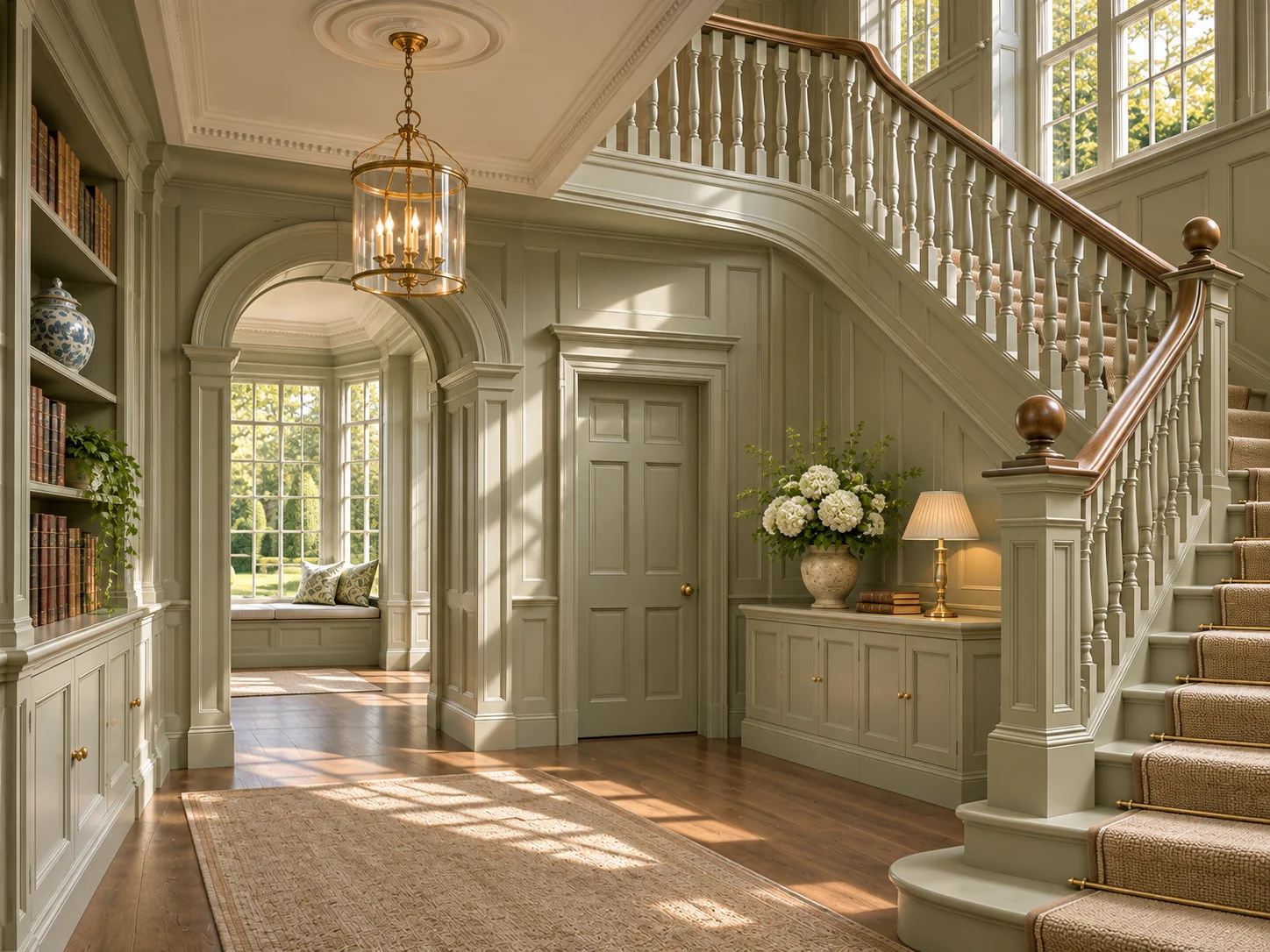 Fine interior painting showcased through detailed wall panelling, crisp white woodwork and a traditional staircase.
An outstanding interior finish depends on preparation, clean lines, consistent coverage and a thorough understanding of the substrate. We take time to assess the walls, ceilings and woodwork before work begins.
We can discuss durable finishes for busy areas, refined options for formal living spaces and practical treatment of detailed joinery, always matching the specification to the project.
Our approachFilling, smoothing and priming as appropriate for the surface.
Consider how light, room proportions and everyday use will affect appearance.
Clean lines, consistent coverage and a tidy final presentation.
An even, consistent finish carefully applied across the whole room.
Precision around panels, mouldings, frames, balustrades and junctions.
Premium interior painting and decorating for distinctive homes in Sheffield, Derbyshire and Cheshire, from walls and ceilings to fine woodwork.
What looks like a simple wall can hide previous filler, hairline cracks, inconsistent suction, staining or old coatings with poor adhesion. A lasting decorative result depends on identifying these conditions and preparing accordingly. Cleaning, repairing, sanding, priming and allowing appropriate drying time are often the steps that distinguish careful decoration from a rushed repaint.
We discuss the desired finish and the actual condition of the room before settling on materials and method. A high-ceilinged period reception room, a busy family kitchen and a modern open-plan living space may need different products and working sequences even if the colour palette is similar.
Large walls are unforgiving in raking light, especially where tall windows or low afternoon sun reveal surface variation. The suitability of the existing plaster, any significant repair areas and the intended sheen should be considered together. A deep matt finish can help create a soft appearance, while greater washability may matter in frequently used rooms.
Ceilings also need care around cornices, downlights and junctions with the walls. Where colour drenching or a continuous tonal scheme is planned, the relationship between finishes becomes especially important. We can discuss how the design intention translates into a practical decorating specification.
A complete interior often includes much more timberwork than first appears. Doors, frames, mouldings, window boards, skirting, stair strings, spindles and panelling may all require their own preparation and coating system. Good edge definition and a consistent sheen depend on paying attention to these elements instead of treating them as an afterthought.
Existing gloss or varnish, knots, filled joints and areas that receive frequent handling require consideration. We can discuss suitable primers and finishes, the likelihood of movement in timber and the practical curing time before heavy use.
The choice depends on the visual effect, substrate and expected wear. Matt, durable matt, eggshell and other products have different strengths; we discuss them against the room’s actual requirements.
High-access interior work can be assessed as part of the project. Safe access methods and protection need to be agreed before work begins.
Surface assessment and appropriate preparation are central to the process. Where extensive plastering, damp repairs or other building work is needed, that is identified separately in the scope.
Tell us about your property, your plans and the finish you are hoping to achieve. We would be pleased to discuss the details.